India Travel Guide
India is a vast and diverse country with a rich cultural heritage, stunning scenery, incredible wildlife and an array of unforgettable experiences to offer. Officially the Republic of India, the country has a population of over 1.2 billion people, its capital is Delhi and there are 22 major languages in India and over 700 dialects.
As the birthplace of major religions such as Hinduism, Buddhism, Jainism and Sikhism, India has long been a destination for those seeking cultural insight and spiritual discovery. For centuries, travellers journeyed here to trade in spices, and India remains one of the world’s leading producers, continuing to influence cuisines across the globe.
The country is also home to many UNESCO World Heritage Sites and architectural masterpieces like the Taj Mahal, offering a glimpse into the grandeur of the Mughal Empire. In the 1960s and 70s, India became a key stop on the iconic hippie trail, attracting Western travellers in search of adventure, spirituality and enlightenment. Even today, India retains that same sense of mystique and continues to captivate visitors from all over the world.
We've outlined some general information that may be helpful to you when planning your next holiday to India.

Time Zone & Currency
The entire country is in the same time zone and is 5.5 hours ahead of Greenwich Mean Time (GMT). The currency in India is the Rupee.

Weather in India
The weather is mainly hot most of the year, with regional variations, particularly in the south where it's hotter. Weather is coolest from around the end of November to early March, with fresh mornings and evenings and mostly sunny days.

Reading For Your Trip To India
The God of Small Things by Arundhati Roy
Q&A by Vikas Swarup
The Golden Road: How Ancient India Transformed the World by William Dalrymple
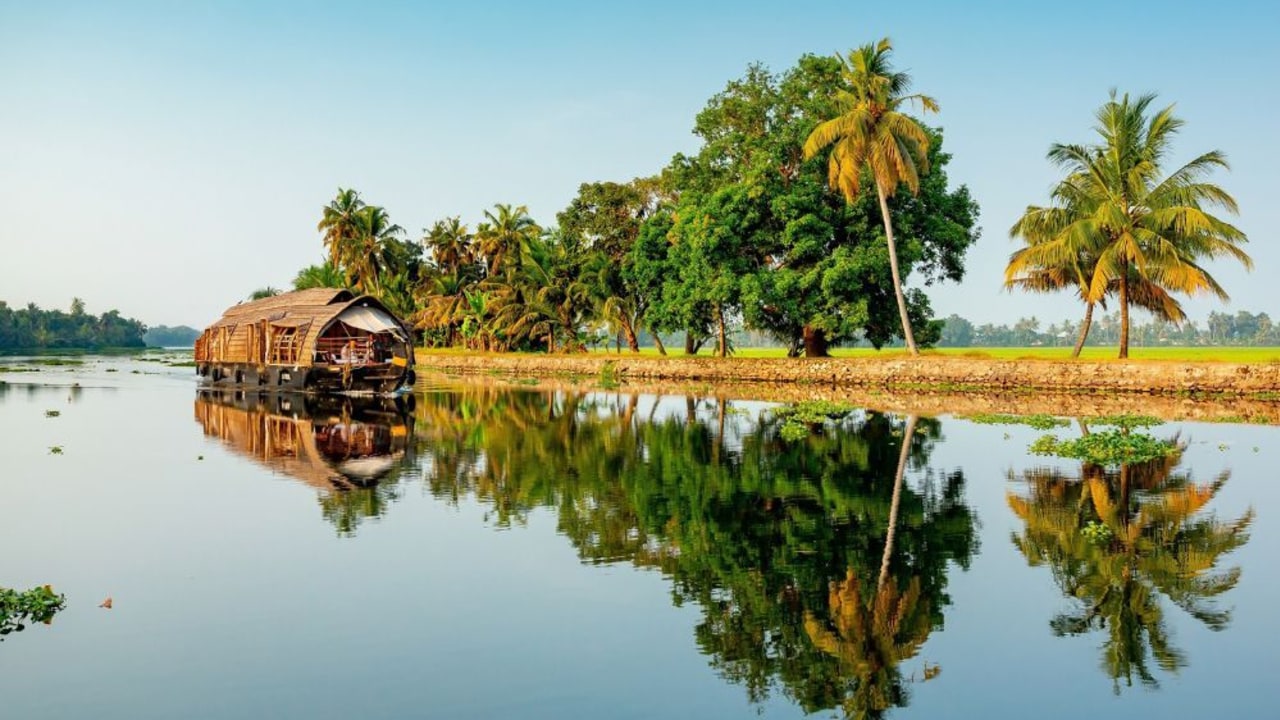
Best time to go to India
We suggest visiting from October to April, as the temperatures are usually mild with little rain, the ideal conditions for sightseeing. November and December, along with February and March, are especially attractive as winter escapes, offering warmth and sunshine during the colder months. Monsoon rains occur in most regions between June and early October.
Top Tourist Attractions In India
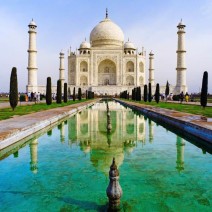
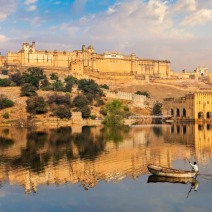
What is India's Golden Triangle?
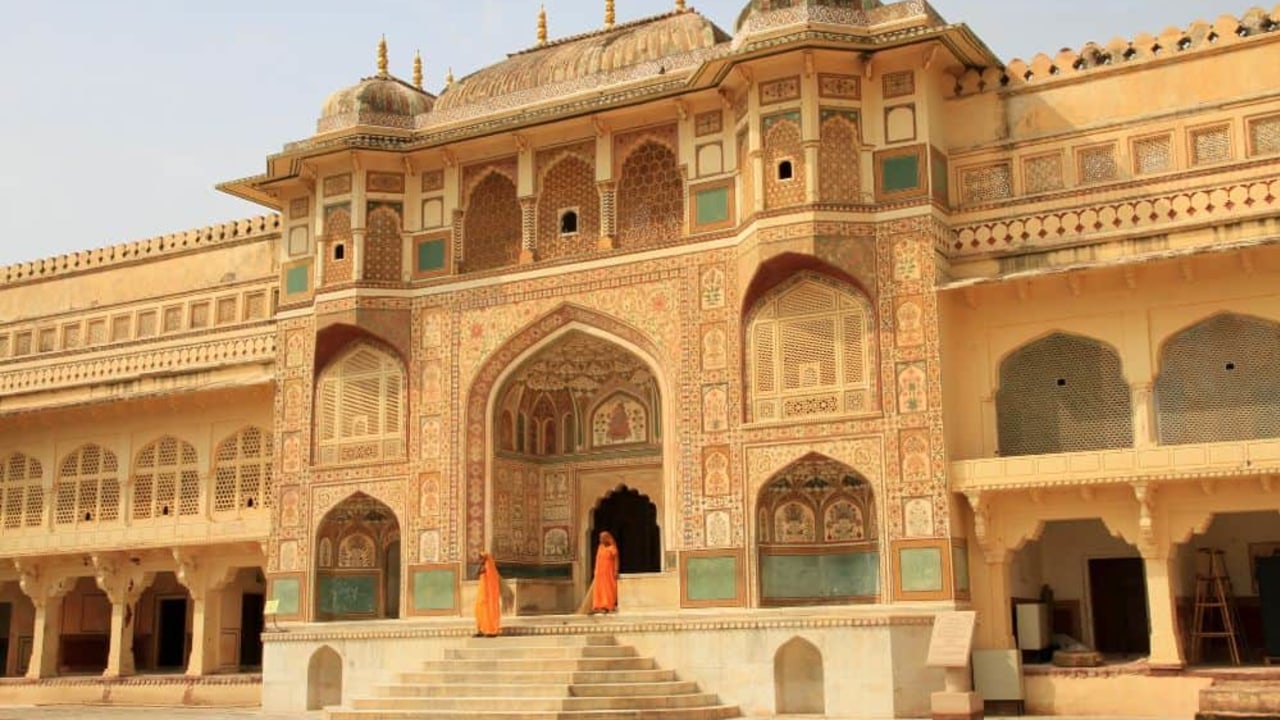
The Golden Triangle is one of India’s most iconic travel routes, connecting the vibrant capital city of Delhi with the majestic Taj Mahal in Agra and the colourful royal palaces of Jaipur. This classic itinerary offers a perfect introduction to India’s rich history, diverse culture and unforgettable landmarks.
Top things to do In India: Experiences you’ll never Forget
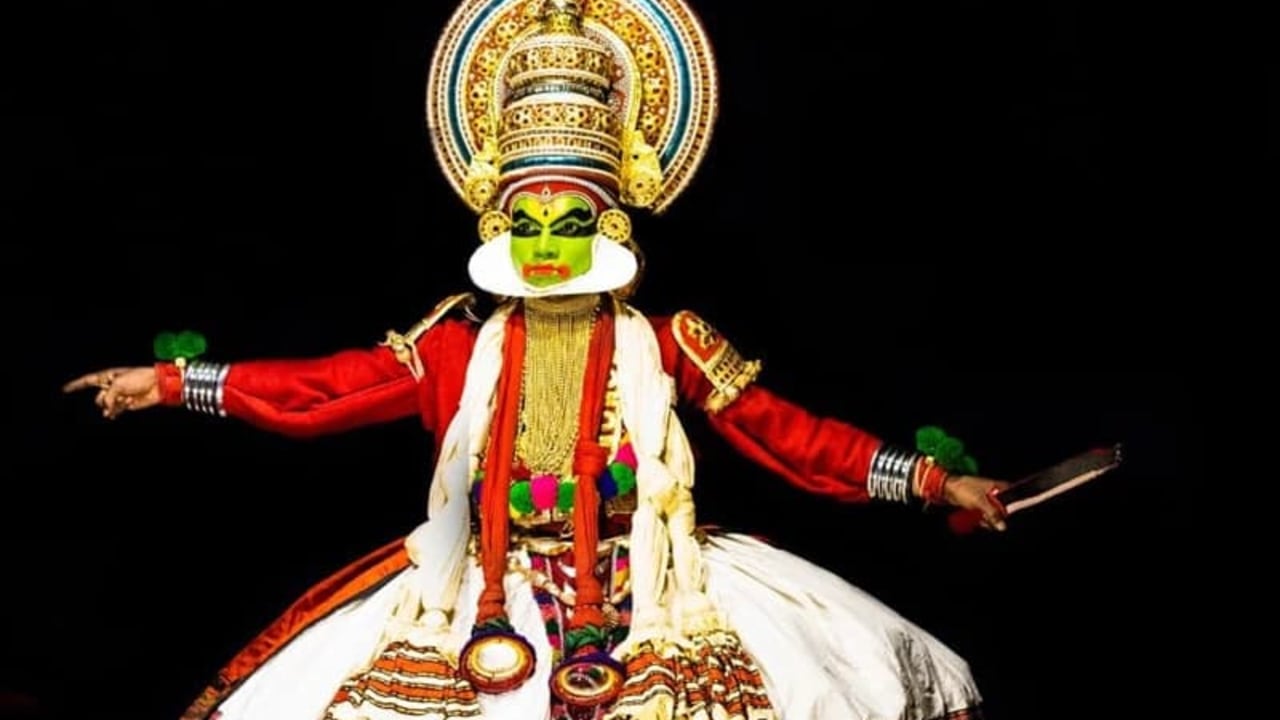
From taking a rickshaw ride through the vibrant, bustling streets of Delhi to witnessing the expressive beauty of a traditional Kathakali dance performance in the south, India offers an endless array of unforgettable experiences.
Food and drink in India
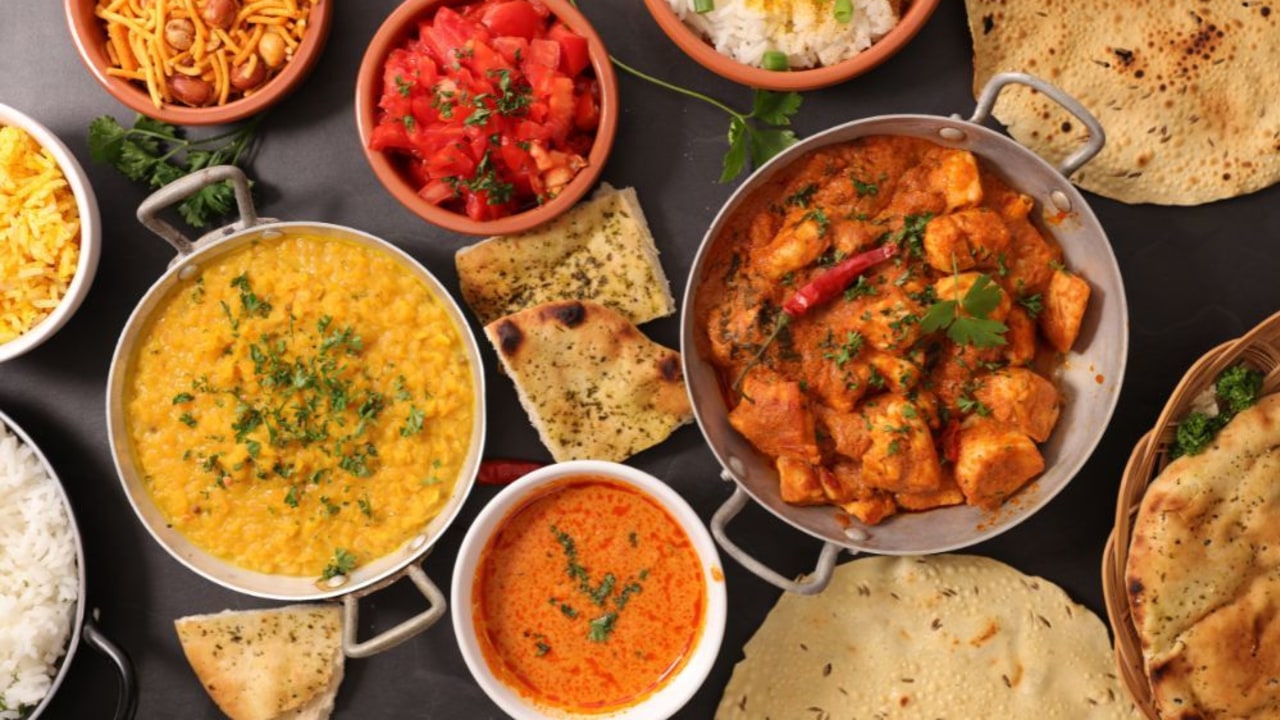
Indian cuisine is as colourful and diverse as the country itself, with dishes rich in flavour and brought to life by the use of herbs and spices. Most hotels in India provide extensive buffets with a variety of vegetarian and non-vegetarian dishes. The cuisine varies widely across regions, making food an integral part of the cultural experience. Some must-try dishes include:
- Tandoori: A North Indian classic where meat or vegetables are marinated in spiced yoghurt and cooked in a clay oven for a smoky flavour.
- Biryani: A fragrant rice dish cooked with aromatic spices, saffron, and your choice of vegetables, chicken, mutton, or seafood, popular across the country.
- Dosa: A South Indian speciality, this thin and crispy rice and lentil pancake is often served with coconut chutney and spicy sambar.
- Chaat: A variety of savoury street foods, including favourites like pani puri, bhel puri, and aloo tikki, known for their tangy and spicy taste.
- Butter Chicken: A creamy and rich tomato-based curry, often enjoyed with naan or basmati rice, originating from Punjab.
India is also renowned for its beverages, including chai (spiced tea) and filter coffee, which are enjoyed daily across the nation. For those interested in something refreshing, traditional drinks like lassi (a yoghurt-based drink) and tender coconut water are popular choices.
India Travel Guide FAQs
Can you give a brief history of India?

One of the oldest religions that can be traced back thousands of years, Hinduism is believed to have been founded in northwest India. Various dynasties ruled different parts of India, like the Cholas in the south and the Delhi Sultanate in the north, but the most famous was the Mughal Empire (1526-1857) which also encompassed modern day Pakistan, Bangladesh and parts of Afghanistan. Founded by Babur who had a policy for religious tolerance and integration, which his decedents followed suit. They were also great patrons for art and literature. The legacy of the Mughal can still be seen today with their exquisite architecture like the Taj Mahal, Fatehpur Sikri, and the Red Fort in Delhi. The Colonial Era (1600-1947) saw various European countries like Portugal, The Netherlands and France establishing trading posts. Eventually the British East India Company gained significant control and the British colonial rule began in the mid 18th century. An uprising took place, the Indian Rebellion of 1857, but this was suppressed and the British monarchy took over from the East India Company in 1858. Eventually in 1947 India gained independence from Britain mostly due to the successful non-violent campaign led by Mahatma Gandhi. Today India is a popular travel destination full of cultural and historical gems.
Which of of your India tours would suit me?
We have a range of India tours to suit different interests and travel styles:
- India's Golden Triangle: Covers key highlights for first-time visitors, offering a rich introduction to India’s culture, history, and architecture.
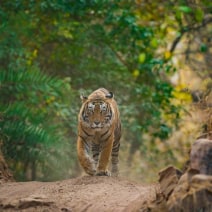
- India's Golden Triangle with Ranthambore Safari: Adds a safari adventure to the Golden Triangle, offering the chance to spot incredible wildlife, including the elusive Bengal tiger.
- Splendours of India: A busier, more extensive tour covering a larger part of the country, including an internal flight, ideal for those wanting a richer, more comprehensive experience.
- Southern India – Kerala and Goa: A good follow-on for those who have explored the north. Enjoy warmer weather, scenic landscapes, unique cuisine, and a more relaxed pace with free time.
- India solo traveller tours - We also offer a solo traveller option on our Splendours tour, where you’ll journey with a group of like-minded independent travellers.
- India tours with extensions: Extend your trip with extra time in Dubai or head south to Goa for a mix of beaches, history, and relaxation.
Do I need a holiday visa for India?
All foreign nationals require a visa to enter India. The visa is valid for 60 days from the date of arrival in India. E-visa applicants can apply online 120 days before the date of travel. Once completed, you must print your E-visa and carry a copy with you.
Is India safe?
The places visited on your itinerary are generally safe and our guides will always keep an eye out for you. However, in any large city there can be opportunists and pickpockets. It is wise to be vigilant, especially at busy tourist attractions, and always take good care of your personal belongings. Make use of the safe at your hotel, and carry a photocopy of your passport when out and about. Always take extra care when using public transport.
What kind of plugs / sockets are used in India?
In India the power sockets are of type C, D and M. The standard voltage is 230 V and the standard frequency is 50 Hz. To avoid any issues upon arrival we always recommend travelling with a universal adapters this will be able to work in any country you visit.
What should I pack for my trip to India?
Wear loose-fitting and lightweight clothing, be sure to pack sunscreen, a hat, and sunglasses. India has a relatively relaxed dress code, however, care should be taken not to give offence by wearing clothing which may be considered revealing, especially when visiting religious sites. It's polite to remove shoes before entering homes and places of worship, so make sure you bring ones that are comfortable and easily removable. We recommend you carry your own loo paper and hand sanitiser as some public toilets will lack basic facilities.
Do I need any vaccinations to travel to India?
It’s recommended to consult with your GP or a travel health clinic before travel. Routine vaccines should be up to date, and additional vaccinations may be advised depending on the region and duration of your trip.
India Travel Advice
- For up-to-date information regarding entry into India please see: www.gov.uk
- Official India Tourism Board: Incredible India!