Australia Travel Guide
Australia is a country of incredible contrasts, with vibrant cities, ancient landscapes, rich Indigenous culture and some of the world’s most spectacular natural wonders. Often known as Down Under, Australia is home to around 27 million people and has a diverse, multicultural population with English as the main language. The capital, Canberra, is the centre of Australian government and home to important cultural attractions, while Sydney and Melbourne each offer their own unique appeal.
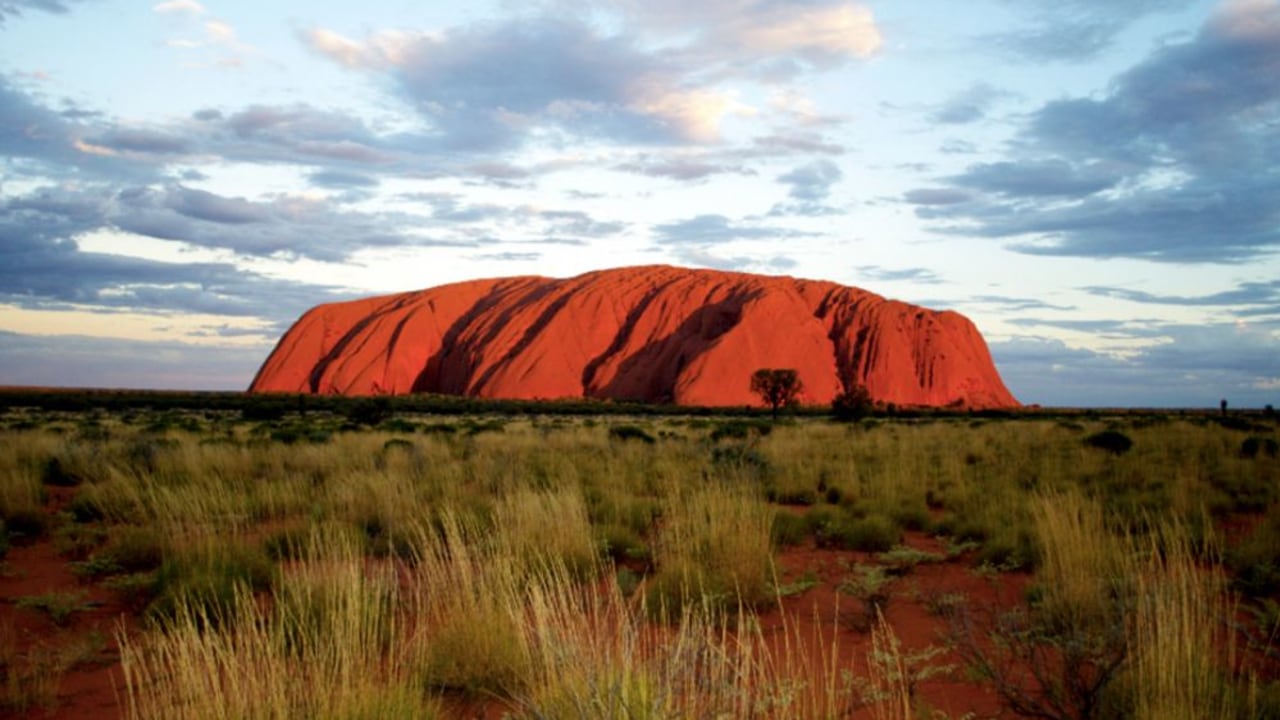
With its vast landscapes and adventurous spirit, Australia has long captured the imagination of travellers. Discover the ancient wonder of Uluru, explore the colourful underwater world of the Great Barrier Reef, enjoy Melbourne’s famous laneways and café culture, or take in the breathtaking views along the Great Ocean Road. Australia’s landscapes include tropical rainforests, golden beaches, rugged coastlines and vast outback plains
We've outlined some general information that may be helpful to you when planning your next holiday to Australia.

Time Zone & Currency in Australia
Australia spans multiple time zones, ranging from Australian Western Standard Time (AWST, GMT+8) in Western Australia to Australian Eastern Standard Time (AEST, GMT+10) on the east coast. The currency is the Australian Dollar (AUD).

Weather in Australia
Australia is a year-round destination, with each region offering its own seasonal appeal. Spring (September to November) is a particularly popular time to visit, with comfortable temperatures, blooming landscapes and ideal conditions for sightseeing and exploring.

Reading For Your Trip To Australia
Jesscia by Bryce Courtenay
A Town Like Alice by Nevil Shute
Down Under by Bill Bryson
Best time to go to Australia
We travel in September, when Australia welcomes the arrival of spring, bringing pleasant temperatures, colourful wildflowers and ideal conditions for exploring. Across the country, you'll enjoy mild weather that's perfect for sightseeing, scenic drives and discovering many of Australia's most iconic attractions.
Top Tourist Attractions In Australia
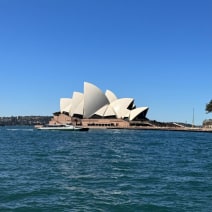
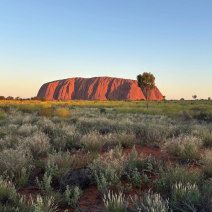
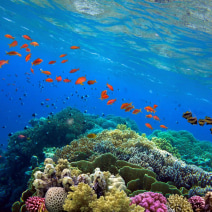
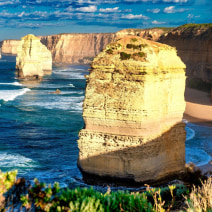

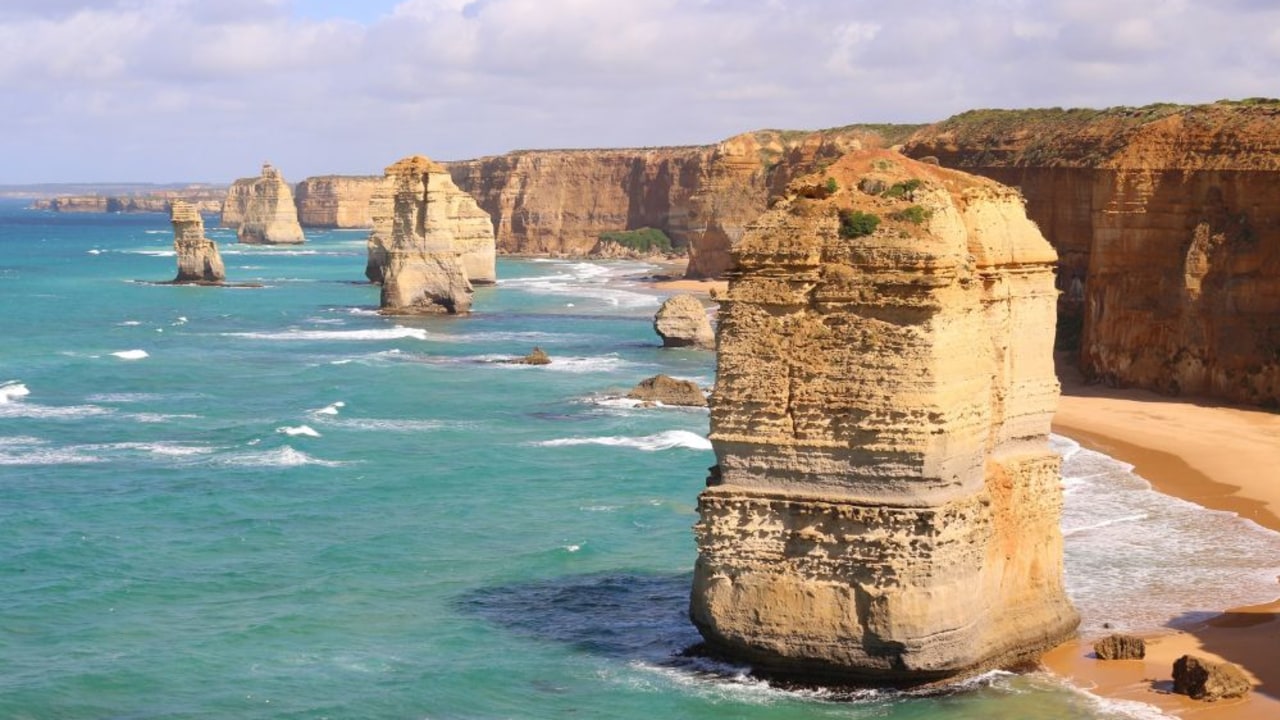
Top things to do in Australia: From Coast to Outback
From world-famous landmarks to spectacular natural landscapes, Australia offers unforgettable experiences at every turn. Discover vibrant cities, pristine beaches, ancient rainforests and the vast Outback as we explore some of the country's must-see sights and hidden gems. Whether you're planning your first visit or looking for inspiration, these are the top things to do in Australia.

Food and drink in Australia
Australia's food scene is shaped by its multicultural influences, excellent local produce and relaxed outdoor lifestyle. From fresh seafood to classic pub favourites, there's plenty to enjoy throughout your journey. Some dishes worth trying include:
- Meat Pie: A true Australian classic, filled with savoury minced beef and rich gravy, often enjoyed as a quick lunch or snack.
- Sausage Sizzle: A popular dish featuring a grilled sausage served in a slice of bread, usually topped with onions and tomato sauce or mustard. It is a common sight at community events, markets and weekend gatherings.
- Barramundi: One of Australia's best-loved native fish, usually grilled or pan-fried and served with fresh seasonal vegetables.
- Fish and Chips: Fresh local seafood served with crisp chips, best enjoyed by the coast.
- Chicken Parmigiana: A popular pub favourite, featuring breaded chicken topped with tomato sauce, ham and melted cheese, served with chips and salad.
- Lamingtons: A traditional sponge cake coated in chocolate and coconut, often served with tea or coffee.
- Vegemite: Australia’s answer to Marmite, Vegemite is a savoury spread made from leftover brewers’ yeast extract and other ingredients. First produced in 1922, it has become a much-loved Australian staple and a unique taste of the country’s food culture.
Australia is also known for its excellent wine, with renowned regions producing world-class Shiraz, Chardonnay and Cabernet Sauvignon. Coffee culture is a big part of everyday life, with independent cafés serving expertly brewed coffee in every city. You'll also find plenty of fresh fruit juices, locally brewed craft beers.
Australia Travel Guide FAQs
Can you give a brief history of Australia?

Australia’s history dates back more than 60,000 years, with Aboriginal and Torres Strait Islander peoples representing the world’s oldest continuous living cultures. Long before European arrival, Indigenous communities developed deep connections to the land and sea, with rich traditions, storytelling, languages and a detailed understanding of the natural environment passed down through generations. European exploration began in the 17th century, when Dutch navigators mapped parts of the Australian coastline, followed by Captain James Cook’s voyage along the east coast in 1770. In 1788, the First Fleet arrived from Britain and established a settlement at Sydney Cove, marking the beginning of European colonisation. As settlements expanded, Australia underwent major changes, with a lasting impact on Indigenous communities and the country’s development. The 19th century brought rapid growth, shaped by farming, trade and the gold rushes, which helped establish many of Australia’s towns and cities. In 1901, the six colonies joined together to form the Commonwealth of Australia. Over time, migration from around the world helped shape Australia into the multicultural country it is today. Today, Australia is known for its diverse landscapes, welcoming cities and unique cultural identity.
Do I need a holiday visa for Australia?
UK and Irish passport holders travelling to Australia require a Tourist Visa and it is each individual’s own responsibility to secure one. The Australian ‘eVisitor’ visa replaces visa labels or stamps and removes the need for application forms. It is an electronically stored authorisation for travel to Australia, meaning you don't need paper documentation or a stamp in your passport. An eVisitor Visa allows you to stay in Australia for up to 3months on each arrival within 12 months from the date the visa was granted. You must have a passport with sufficient validity. All other nationalities must check their eligibility with their locally Embassy/Consulate.
Is Australia safe?
The places visited on our Australia tours are generally safe, and our experienced guides will always be on hand to support you throughout your journey. As with any destination, busy city centres, popular attractions and public transport areas can attract opportunistic theft, so it is important to remain aware of your surroundings and take care of your personal belongings.
Do I need any vaccinations to travel to Australia?
Before travelling, we recommend consulting a qualified medical practitioner for advice on any recommended vaccinations and up-to-date health precautions.
Australia Travel Advice
- For up-to-date information regarding entry into Australia please see: www.gov.uk
- Official Australia Tourism Board: www.australia.com