I visited India in 2008 and, as Sri Lanka is a neighbouring country, I expected my holiday experience to be very similar. However, I couldn’t have been more wrong! Whilst India has its own charm, with its lively, bustling cities, Sri Lanka has its own distinct history, culture, cuisine, scenery and wildlife, along with a more laid-back atmosphere.
Brief History of Sri Lanka
- Sri Lanka has a long and fascinating history, shaped by its ancient kingdoms and European colonial powers.
- The Portuguese arrived in 1505 and gradually established control over parts of Sri Lanka’s coastal areas, with their rule ending in 1658.
- The Sinhalese King of Kandy sought Dutch assistance to drive out the Portuguese, but the Dutch subsequently took control of the coastal areas, ruling from 1658 until 1796.
- The British took over the Dutch-controlled territories in 1796 and gained control of the Kingdom of Kandy in 1815, bringing the whole island under British rule.
- Sri Lanka gained independence from Britain in 1948.
Here are some of the highlights from my holiday in Sri Lanka with Travel Department.
Exploring Sri Lanka's Culture, History & Landmarks
Negombo Fish Market
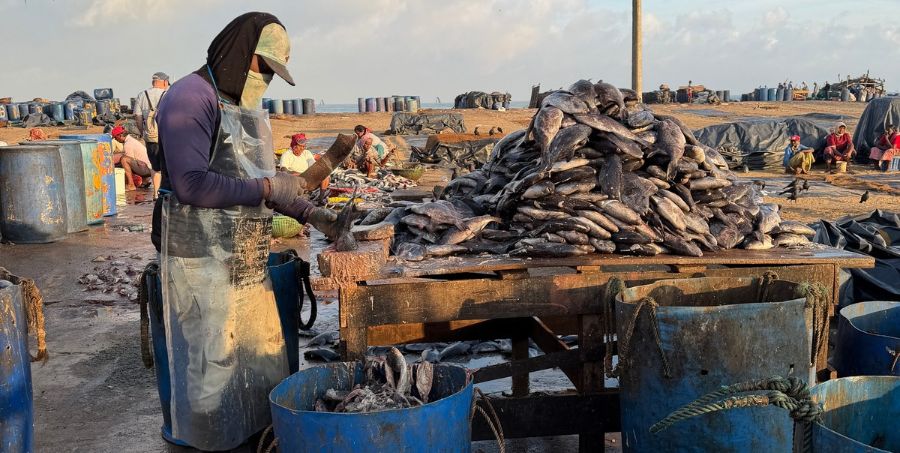
This is Sri Lanka’s second-largest wholesale fish market, so it’s worth getting up early to see the local fishermen bringing in their fresh catch. It was interesting to see the workers using traditional methods to descale, fillet and dry the fish. Whilst there was a distinctive smell, it was fascinating to get a glimpse of local life in Sri Lanka. We saw a variety of seafood, including yellowfin tuna, mackerel, crabs, lobsters and so much more.
Sigiriya Rock Fortress
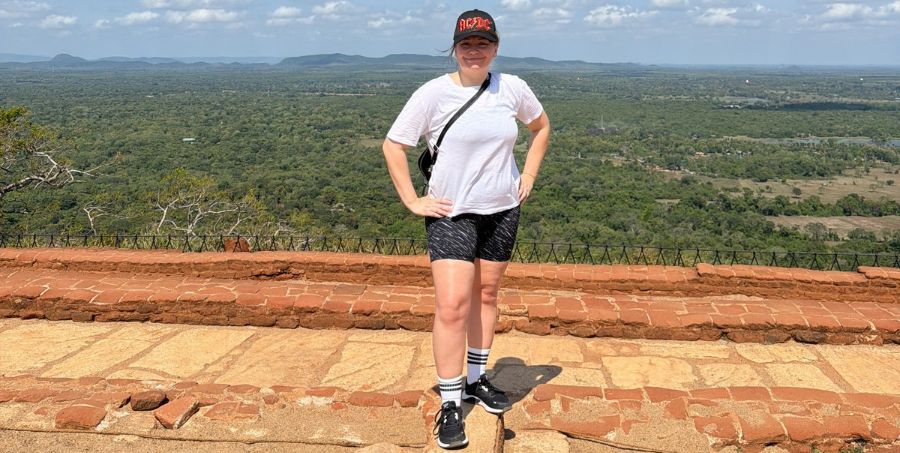
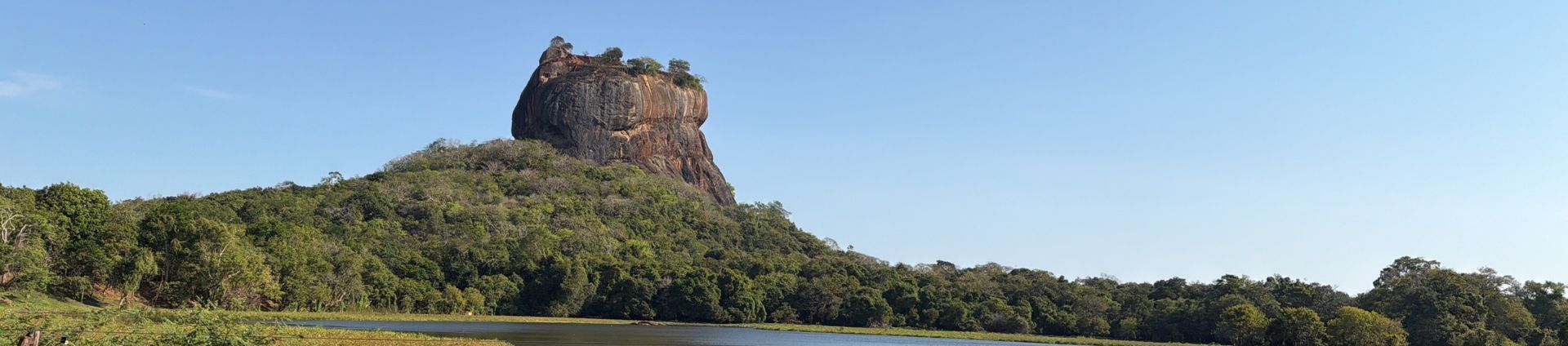
Sigiriya, or Lion Rock, is one of Sri Lanka’s most famous historical sites and most iconic landmarks. It is an ancient rock fortress built on top of a huge 200-metre-high rock during the reign of King Kashyapa in the 5th century.
A reasonable level of fitness is required to get to the top, as you will need to ascend over 1,000 steps, but the views of the surrounding countryside are definitely worth it. Make sure to wear comfortable walking shoes. You’re also bound to see monkeys on your way up, so keep a close eye on your possessions as they may snatch at them!
On the way down, you also have the opportunity to see remarkably preserved and colourful frescoes, which historians believe depict female figures associated with the royal court from the 5th century.
Habarana Village Safari
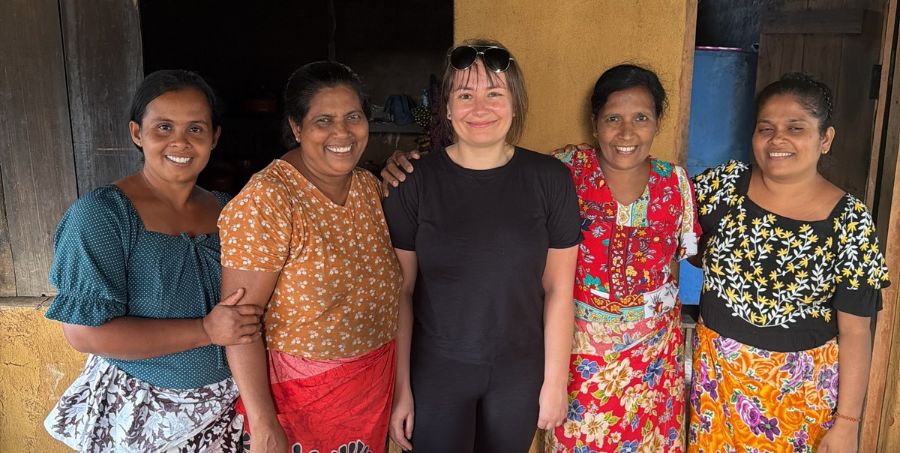
I enjoyed the unique opportunity to experience traditional Sri Lankan village life. We learnt how to make traditional coconut sambol, which we got to taste, as well as rice flour and thatched roofs using coconut leaves.
We enjoyed a tractor ride past the paddy fields, followed by a relaxing boat trip on Hiriwadunna Lake, where we spotted Sigiriya in the distance. We paused on the lake to take in the scenic views whilst our skippers made us hats out of large water lily pads.
Dambulla Cave Temple
This UNESCO World Heritage Site consists of five separate caves, each housing unique Buddha statues and ancient murals. I could have spent hours admiring the artwork and intricate details of each statue.
When visiting here and other Buddhist temples in Sri Lanka, make sure your shoulders and knees are covered. You will need to remove your shoes, so I recommend wearing socks as the ground gets very hot. Photography is generally permitted, but avoid taking selfies with your back to Buddha statues, as this is considered disrespectful.
The Temple of the Sacred Tooth Relic
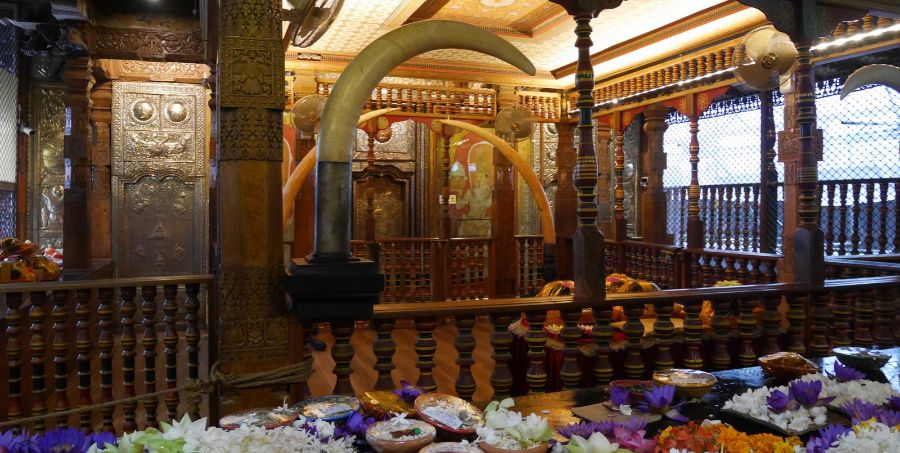
This is a historic Buddhist temple in Kandy, which is believed to house a tooth of Buddha. The relic is kept inside a series of golden caskets and is not normally visible to visitors. It was interesting to walk around the temple complex as our guide explained its historic and cultural significance.
Kandy
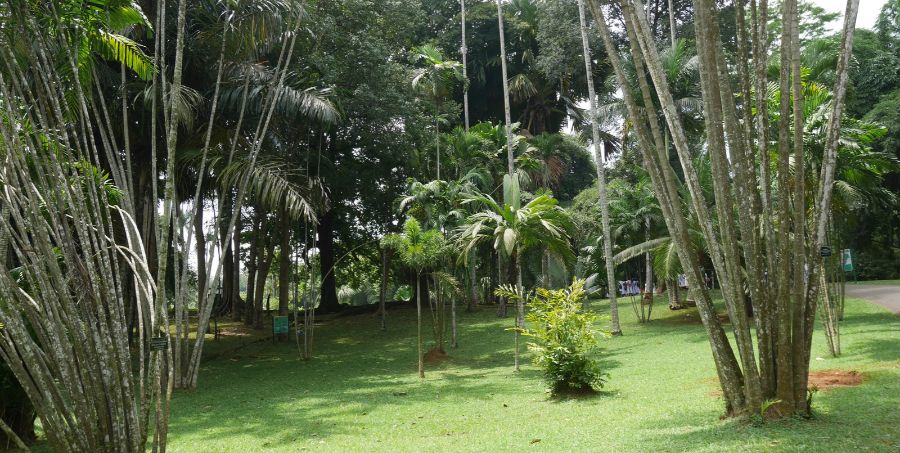
We spent a couple of hours wandering through the Royal Botanic Gardens in Peradeniya, which have over 4,000 species of plants. I particularly liked the Orchid House.
We then took a tuk-tuk to a viewpoint overlooking Kandy and got to experience the bustling city life of Sri Lanka as we weaved through traffic.
Tea Factory in Sri Lanka & Ceylon Tea
We visited Kingswood Tea Factory, where we learnt all about tea production from start to finish. Ceylon Tea is essentially tea that is grown and produced in Sri Lanka.
It was interesting to learn that tea was not originally native to the country. Commercial tea cultivation began in Sri Lanka in 1867, when Scottish planter James Taylor established a tea plantation after gaining experience in India.
Although the country used to be called Ceylon and officially became Sri Lanka in 1972, the name 'Ceylon Tea' was retained because of its established international reputation.
Today, Sri Lanka is one of the world's leading tea producers. Tea picking requires speed, care and dexterity. Historically, and even to this day, this work has largely been carried out by women. On average, tea pickers can harvest around 25 kilos of tea leaves a day!
At the end of the tour, we were able to sample cups of various types of tea.
Scenic Train Ride
We boarded a train at Nanu Oya and disembarked at Ella. During this three-hour train ride, we enjoyed the stunning scenery of tea plantations, waterfalls and forests.
It doesn’t really matter which side of the train you sit on, as the scenery can be enjoyed from both sides. I also recommend enjoying the incredible views with a refreshing cup of chai and some locally made vegetarian samosas!
Galle
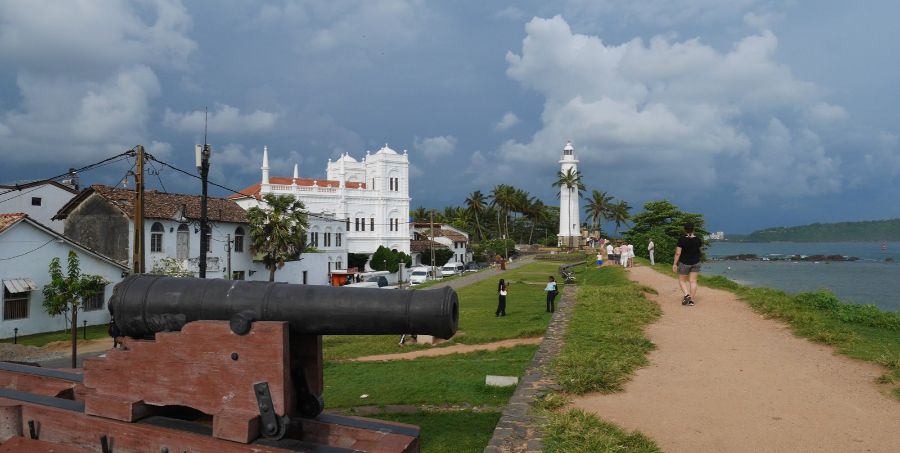
The name derives from the Portuguese word for rooster - Galo as it’s believed when they arrived in 1505 they could hear a rooster crowing.
Walking through the old city, I felt instantly transported back to Portugal with its colonial buildings and terracotta roofs. A walk along the historic fort walls also offers beautiful views of the sea.
Wildlife in Sri Lanka
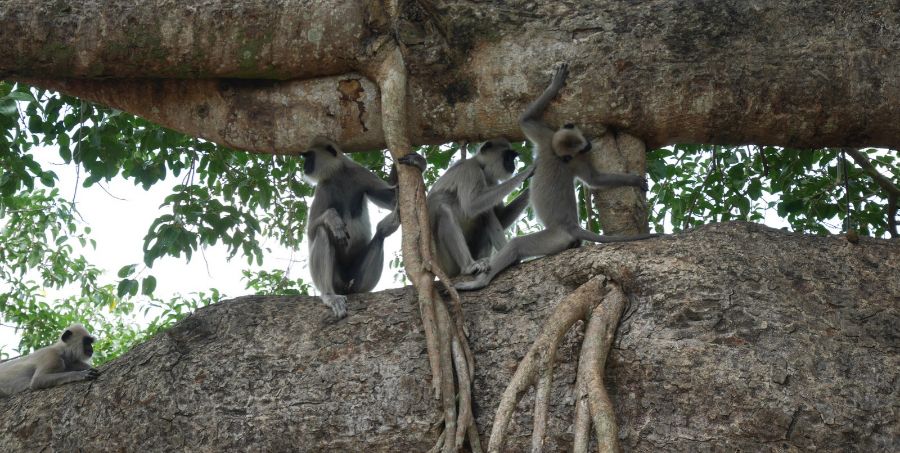
Whilst travelling through Sri Lanka, you won’t go too long without seeing some kind of wildlife! We saw monkeys running along the electricity lines and, on a couple of occasions, we drove past elephants casually walking along the side of the road!
At one of the hotels where we stayed, as the sun was setting and we were enjoying a swim after a day of sightseeing, we got to witness hornbills and macaques in the nearby trees from the comfort of the swimming pool and watch flying foxes soaring overhead.
Kaudulla National Park
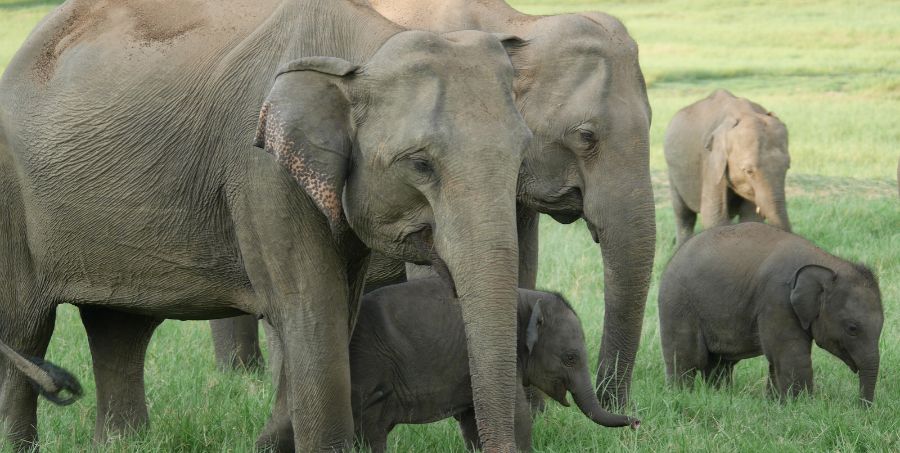
This was an optional excursion, and I would highly recommend it, as the park is known for its large gatherings of elephants.
We were able to see a herd of elephants up close, including a couple of baby elephants. A special highlight was a bull elephant suddenly emerging from the forest to join the rest of the herd.
Yala National Park
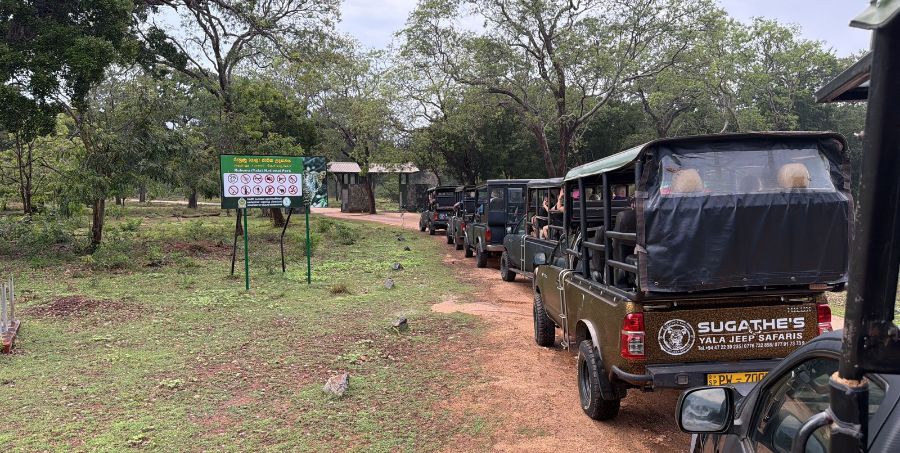
Even though we didn’t see a leopard, we did spot its pawprints! We still thoroughly enjoyed the safari drive and spotted a variety of other wildlife, including:
- Sloth bear – I just caught a glimpse of it running back into the forest!
- Mongoose
- Jackal
- Eagles
- Water buffalo
- Various types of birds
- Iguana
- Monitor lizard
- Spotted deer
Turtle Sanctuary
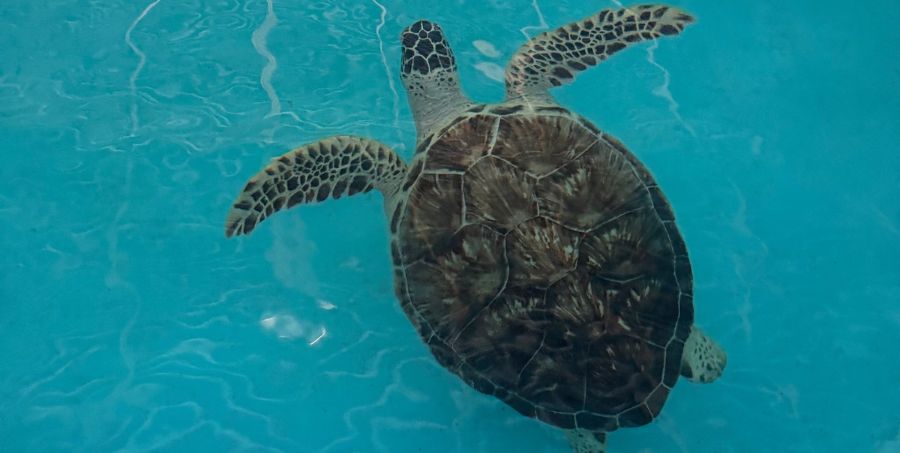
Another optional excursion was a visit to Ahungalla Sea Turtle Conservation and Research Centre.
I discovered that five of the world’s seven sea turtle species nest in Sri Lanka:
- Olive Ridley turtle
- Green turtle
- Hawksbill turtle
- Loggerhead turtle
- Leatherback turtle
The centre helps rehabilitate turtles and other marine life that have been injured or caught in fishing nets, with the aim of releasing them back into the wild once they have recovered.
Beruwala
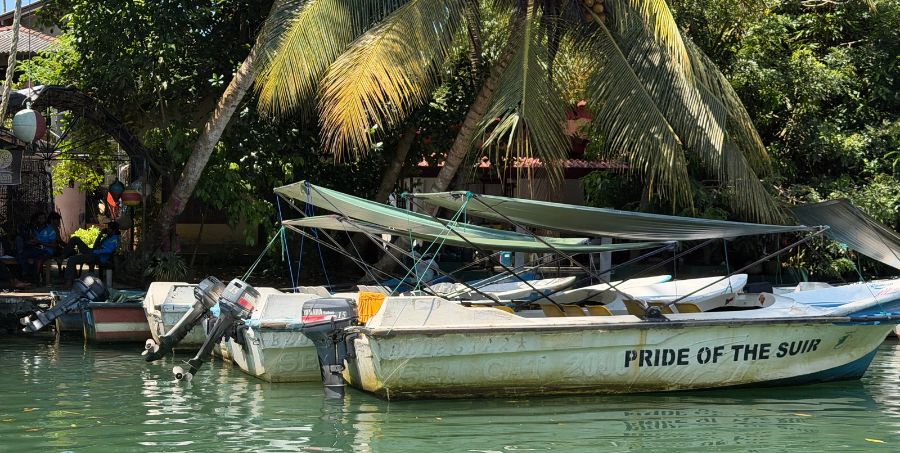
We took an optional excursion for the Madu River boat trip.
This part of Sri Lanka was devastated by the 2004 tsunami, and schools in Ireland helped raise funds to purchase new boats for local fishermen.
As you sail through, you may recognise some of the names painted on the sides of the boats, acknowledging the schools and their fundraising efforts.
We stepped off the boat and got to enjoy some fish therapy, where tiny fish nibble at your feet. It can feel a little ticklish, but it's certainly an unusual experience!
We also spotted some purple-faced langurs, or 'bear monkeys', in the trees, a species of monkey native to Sri Lanka.
Sri Lankan Food
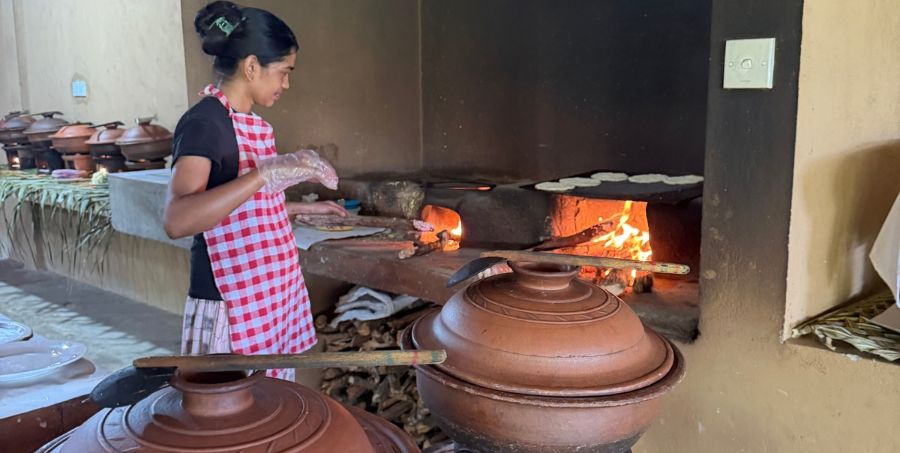
Although it is a small island, Sri Lanka has a fantastic variety of locally grown produce, fresh seafood and meat. Its location, climate and the influence of its former colonial rulers have all helped shape its diverse cuisine.
- Sri Lanka is renowned for its spices, particularly Ceylon cinnamon, also known as 'true cinnamon'.
- The surrounding Indian Ocean provides a variety of seafood, such as crabs, prawns, lobster and tuna.
- Throughout the island, there is an abundance of coconut trees, so coconut milk, grated coconut and coconut oil are widely used in Sri Lankan cooking.
- Tropical fruits include mangoes, bananas, pineapples and papayas.
- During British rule, vegetables such as potatoes, cabbages, carrots, leeks and beetroot were introduced, and these are grown in the cooler parts of the country.
- Vegetarians will find plenty of interesting options, including jackfruit, breadfruit and beetroot curry.
- Hoppers are a popular breakfast dish in Sri Lanka. They’re essentially bowl-shaped pancakes, often with an egg cooked in the centre.
- At breakfast and dinner at our hotel, I was pleasantly surprised to see bread on offer, which was introduced to Sri Lanka by the Portuguese. I also spotted a number of bakeries throughout the country, including a couple of tuk-tuks driving around like an ice-cream van, but selling bread instead!
Religion in Sri Lanka
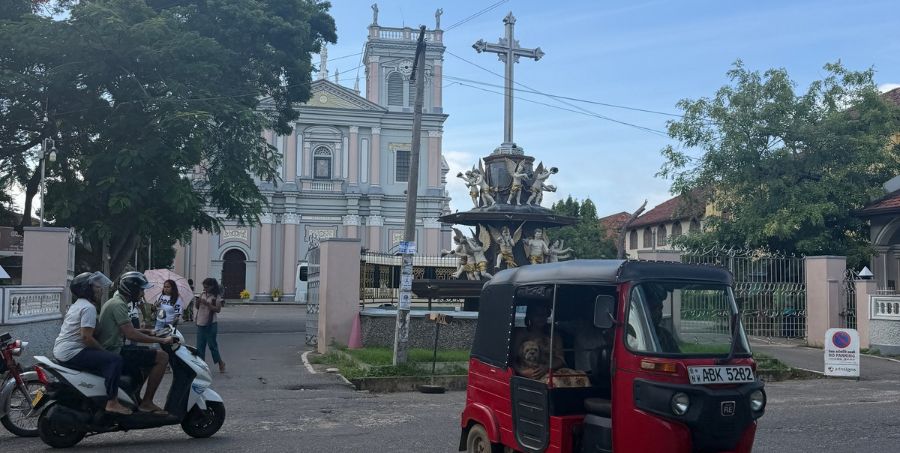
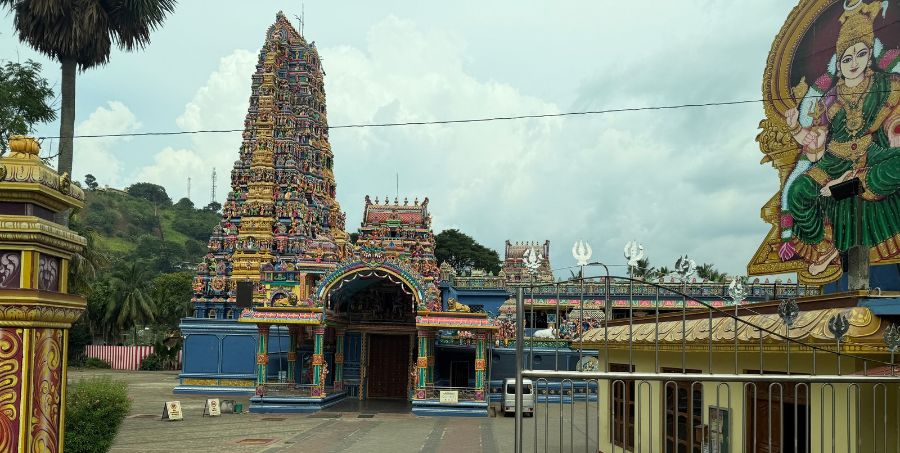
Driving through various towns and villages, it was wonderful to see mosques, Catholic churches and Buddhist temples existing alongside one another, reflecting the country's religious diversity.
We learnt that Sri Lanka has numerous religious and cultural public holidays throughout the year, recognising its different faiths.
Getting Around Sri Lanka
As there are only a couple of motorways in Sri Lanka, most of the driving is along smaller roads through towns and villages. Average travelling speeds can be around 35 km/h, so journeys can take longer than you might expect.
However, although the travelling is slower, there’s plenty to see out of the bus window along the way!
For more tips and practical advice, check out our Sri Lanka travel guide.
Guided Tour of Sri Lanka
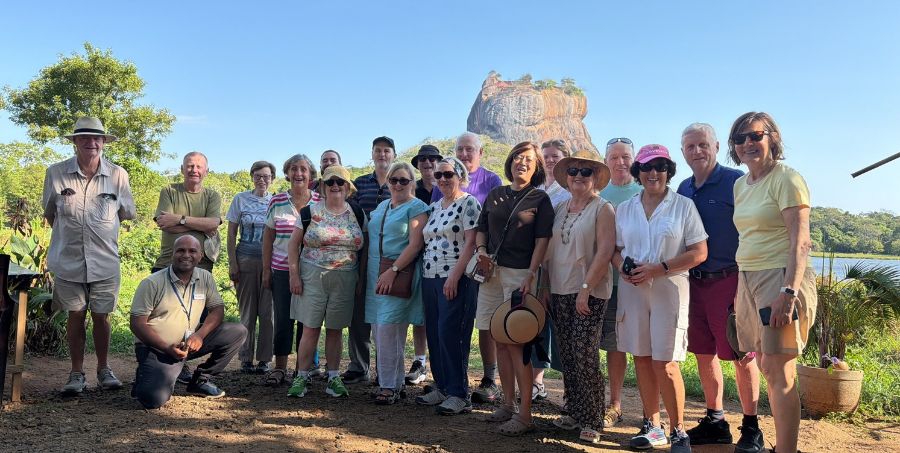
Having a guide throughout the trip meant that whenever I had questions about the country, I could easily ask and get immediate answers.
For example, I noticed that Sri Lanka’s national beer is Lion Beer, yet there are no lions in the country today. Our guide explained that the lion is a symbol of bravery and courage, which is also why it features on Sri Lanka’s national flag.
Another thing I enjoyed about the guided holiday was travelling with like-minded people. It was great to share the experiences together and have people to chat with about everything we’d seen and done along the way.
Experience a Sri Lanka Holiday
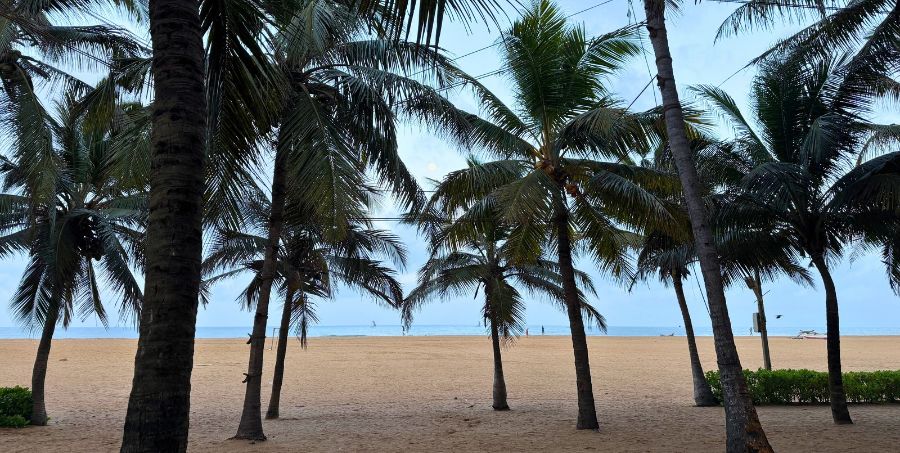
Sri Lanka is a small country, yet it has so much to offer. The ever-changing scenery means that one minute you could be looking out of the bus window at paddy fields and the next at palm trees.
You can relax on its golden beaches, visit historic temples, discover its diverse wildlife and enjoy its amazing cuisine.
The people are also incredibly warm and welcoming. There really is something for everyone!